






You see rapid changes in manufacturing and logistics today. Companies now treat logistics as a core business function. Digitalization and new technologies have made processes faster and more dynamic. The Vda 5050 interface from Vda helps you manage automation challenges. Mixed fleets often struggle with coordination and efficiency. Vda 5050 provides standardized communication, enabling different systems to work together. ForwardX Robotics uses this interface to boost interoperability and stay ahead in automation.
Key Takeaways
-
• Vda 5050 provides a standardized interface for connecting automated guided vehicles (AGVs) with central control systems, enhancing interoperability.
-
• The open-source nature of Vda 5050 allows for easy updates and improvements, ensuring your automation systems remain current and effective.
-
• Using Vda 5050 simplifies the integration of mixed fleets, allowing robots from different manufacturers to work together seamlessly.
-
• Real-time communication through Vda 5050 boosts efficiency and control in manufacturing, making operations smoother and more responsive.
-
• Adopting Vda 5050 prepares your business for future growth, enabling easy expansion and adaptation of your automation systems.
What Is Vda 5050?
You need a reliable way to connect your automated guided vehicle systems with your central control units. Vda 5050 gives you a common interface that makes this possible. This interface was developed by Vda and VDMA, two leading organizations in the field of automation. Their goal was to solve the challenge of interoperability between different manufacturers’ vehicles. The table below shows who contributed to the development and why:
|
Organization |
Motivation |
|---|---|
|
Vda (German Association of the Automotive Industry) |
To create a universally applicable interface for driverless transport systems. |
|
VDMA (German Association for Materials Handling and Intralogistics) |
To address interoperability issues among different manufacturers’ vehicles. |
Vda 5050 stands out because it is an open interface. You can use it freely and even help improve it. This approach encourages more companies to adopt the standard.
If we want to have a global standard, then it has to be open source, because that’s the only way it can be adopted and the only way our customers will see the benefits of it.
You will find that Vda 5050 uses a clear technical structure. It organizes your warehouse or production area into nodes and edges. Nodes are points where your agv can pick up or drop off items. Edges are the paths that connect these points. The transport guidance system manages the movement of your agv along these paths. Here is a quick overview:
|
Component |
Description |
|---|---|
|
Nodes |
Represent specific points in the warehouse or production area where AGVs can pick up or drop off items. |
|
Edges |
Define the paths that connect nodes, including any restrictions such as one-way streets or vehicle type limitations. |
|
Transport Guidance System |
Manages the overall communication and routing of AGVs based on the defined topology of nodes and edges. |
Vda 5050 is a relevant interface for Industry 4.0. It helps you integrate agv fleets with your factory systems. You get real-time communication, which is essential for smart manufacturing. The interface also supports centralized control, making it a relevant interface for modern operations. The table below shows how Vda 5050 aligns with Industry 4.0:
|
Aspect |
Description |
|---|---|
|
Integration |
Vda 5050 ensures AGVs can seamlessly integrate with factory systems. |
|
Real-time Communication |
It facilitates real-time data exchange essential for smart manufacturing. |
|
Centralized Control |
Supports centralized control through compatibility with MES and ERP systems. |
With Vda 5050, you can connect different systems and manage your automation with confidence. This communication interface is designed for the future of manufacturing.
Standardized Protocol Overview
You need a way to make your automated systems talk to each other. Vda 5050 gives you this power. It acts as a universal language for automated guided vehicles (AGVs) and central control systems. You do not have to worry about different brands or models. Vda 5050 lets you connect AGVs from many manufacturers to one master control system. This standard protocol removes barriers and helps you build a flexible automation setup.
Vda 5050 came from a team effort. The German Association of the Automotive Industry (Vda) and the German Association for Materials Handling and Intralogistics (VDMA) worked together. They wanted to solve the problem of mixed fleets in factories. They made Vda 5050 open-source. You can download it for free and use it in your own projects. You can even suggest improvements on GitHub. This open approach means you always get the latest updates and best practices.
• Tip: When you use a standard like Vda 5050, you make your automation future-ready. You can add new vehicles or systems without starting over.
Technical Basics and Development
Vda 5050 uses a simple but powerful structure. You break down your workspace into nodes and edges. Nodes are spots where AGVs stop, pick up, or drop off items. Edges are the paths that connect these spots. The master control system sends instructions to each AGV using this map.
Here is how the communication works:
-
• The control system sends a list of nodes and edges to the AGV.
-
• The AGV follows the path and reports its status back.
-
• If you need to change the route, the system updates the instructions in real time.
This setup fits perfectly with Industry 4.0. You get real-time data, better control, and easy integration with other smart systems. Vda 5050 helps you keep your operations smooth and scalable.
Vda 5050 in Modern Manufacturing
Interoperability for Mixed Fleets
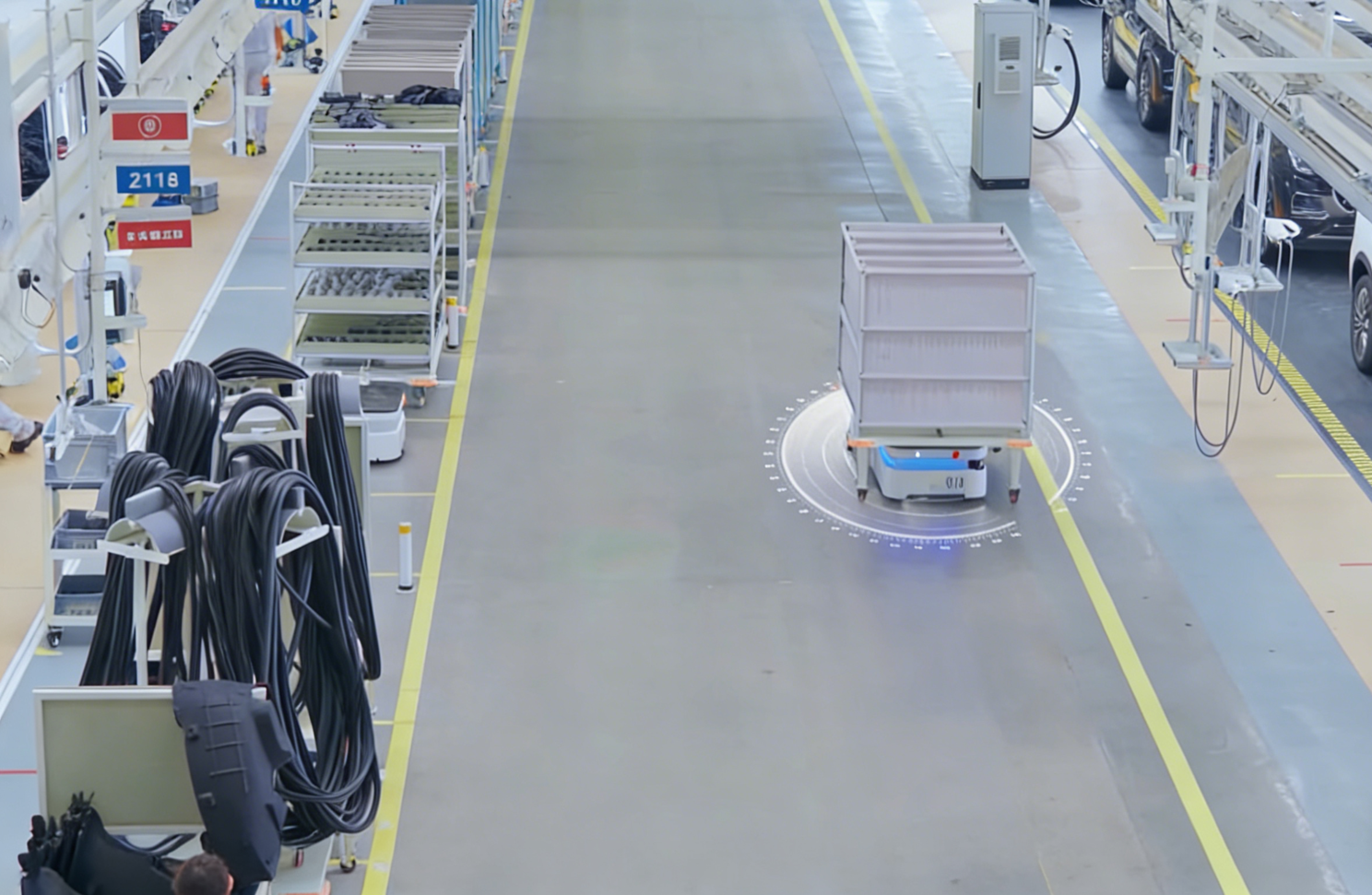
You often face the challenge of managing different brands of agv and autonomous mobile robots in your production environment. Vda 5050 solves this problem by giving you a single interface that connects all your vehicles to one central control system. This approach removes the need for separate manufacturer-specific systems. You can now achieve true interoperability, which means your robots from different suppliers work together smoothly.
-
• Vda 5050 simplifies and speeds up the integration of agvs and amrs into your control systems.
-
• You reduce project complexity, so you can launch automation projects faster, whether your plant is large or small.
-
• The central control system uses unified communication, making it easy to manage mixed fleets.
With Vda 5050, you do not have to worry about compatibility issues. You can focus on improving your production processes and scaling your automation as your needs grow.
Streamlining Manufacturing Operations
You want your manufacturing operations to run efficiently. Vda 5050 helps you reach this goal by supporting system expansion and better traffic management. The interface lets you add new mobile robots and external components to your automation solution without major changes.
-
• You can coordinate different types of vehicles, which is important for smooth traffic flow in large manufacturing facilities.
-
• The system allows you to quickly add more vehicles or new suppliers, making expansion simple.
-
• You operate multiple mobile robots under a single interface, which keeps your automation flexible and adaptable.
Vda 5050 gives you a flexible automation solution. You can integrate external components based on your specific production needs. This level of interoperability and control helps you keep your manufacturing plants efficient and ready for future growth. With Vda , you stay ahead in the fast-changing world of automation.
ForwardX Robotics and Vda 5050 Benefits
Integration and Flexibility
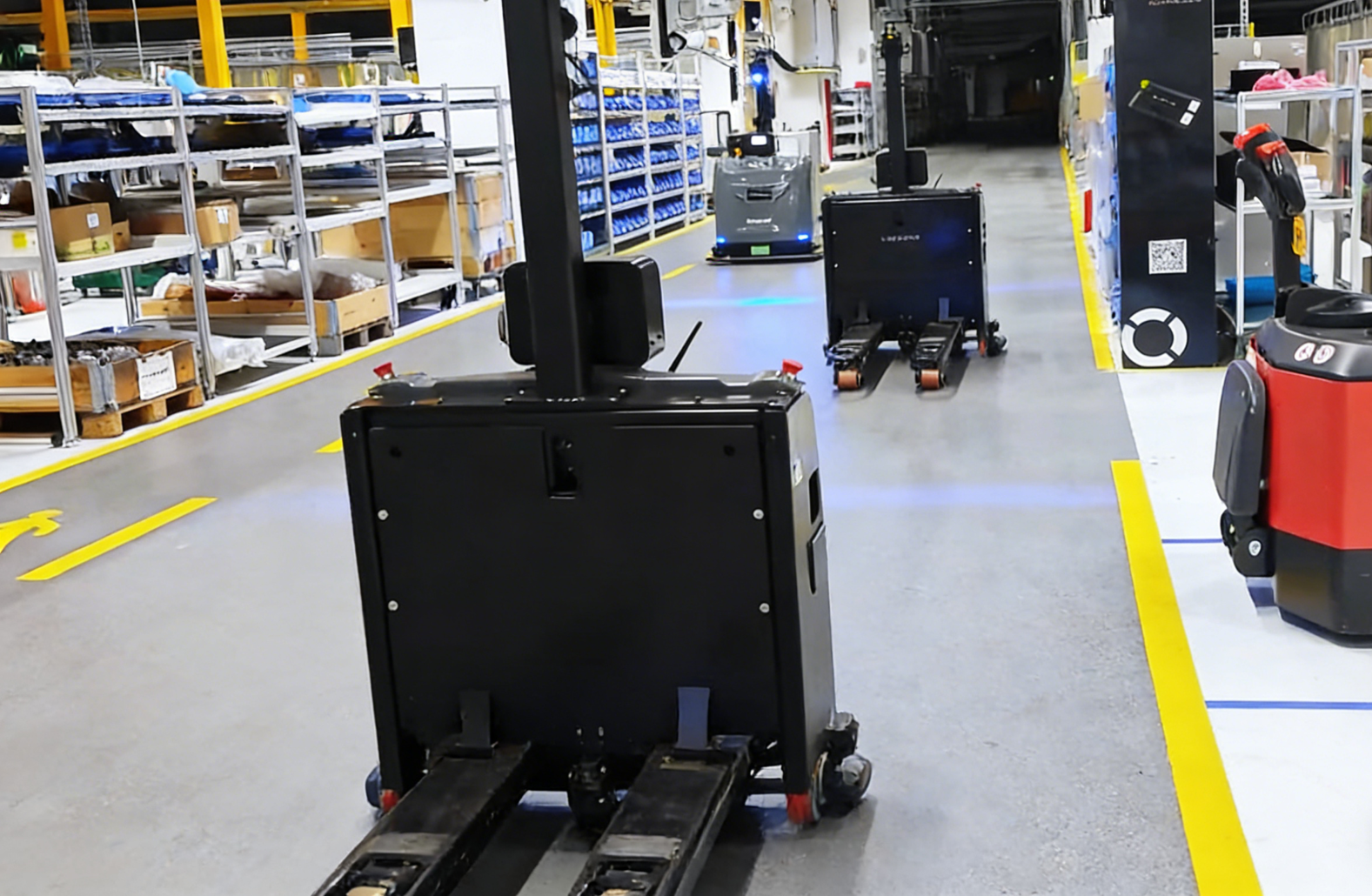
You want your automation systems to work together without barriers. ForwardX Robotics uses Vda 5050 to make this possible. This open interface lets your agv and autonomous mobile robots connect with a single fleet controller. You do not have to worry about different brands or models. Vda 5050 gives you a common language for all your robots.
You can see how Vda 5050 brings flexibility and integration to your automation solutions in the table below:
|
Evidence Description |
Explanation |
|---|---|
|
Standardized communication protocol |
Vda 5050 provides a uniform way for different AMRs to communicate, enhancing interoperability. |
|
Hybrid robot fleets |
The standard allows for the integration of robots from various manufacturers, enabling companies to create mixed fleets. |
|
Future-proof automation |
Vda 5050 is essential for the ongoing evolution of logistics automation, ensuring flexibility and scalability. |
You can add new robots to your fleet as your needs change. Vda 5050 supports mixed fleets, so you can use agv from different suppliers in your manufacturing plants. This approach helps you scale your automation without starting over. You get a future-proof system that grows with your business.
• Note: When you use Vda 5050, you make your production more adaptable. You can respond quickly to changes in demand or new technology.
Real-World Use Cases
You want reliable automation in your manufacturing plants. ForwardX Robotics uses Vda 5050 to keep your systems running smoothly. The interface solves interoperability issues, so your mixed fleet of robots works as one team. You do not need separate controls for each brand. Vda 5050 uses a central control system, which boosts reliability and keeps your production moving.
Here is how Vda 5050 improves reliability and uptime in your automation systems:
|
Evidence |
Description |
|---|---|
|
Interoperability |
Vda 5050 solves interoperability issues, allowing a mixed fleet of vehicles from different vendors to operate seamlessly. |
|
Automation Efficiency |
It boosts automation efficiency, enabling the creation of fully automated factories with diverse vehicles. |
|
Central Control |
Vda 5050 employs a central control system, eliminating the need for manufacturer-specific controls, which enhances reliability. |
|
Unified Communication |
It facilitates unified communication with various robots, improving uptime in production environments. |
|
Version 2.1.0 |
The latest version enhances navigation capabilities, allowing for more efficient deployment of mobile robot fleets. |
|
Flexibility |
It opens new opportunities in logistics, contributing to higher uptime and reliability. |
You can see these benefits in real-world applications. For example, you can deploy ForwardX Robotics in a large manufacturing plant with robots from several suppliers. Vda 5050 lets you manage all your robots through one fleet controller. You can add new robots or upgrade your system without disrupting your production. This approach keeps your automation reliable and efficient.
You also gain flexibility in your production. Vda 5050 helps you adjust your automation as your business grows. You can expand your fleet, add new features, or change your workflow. The open interface supports your needs now and in the future.
• Tip: Using Vda 5050 in your automation projects helps you stay ahead in the fast-changing world of manufacturing. You get a system that is reliable, flexible, and ready for new challenges.
FAQ
What is Vda 5050 used for?
You use Vda 5050 to connect automated guided vehicles (AGVs) and central control systems. This interface helps your robots communicate and work together in manufacturing and logistics environments.
Can you integrate robots from different brands with Vda 5050?
Yes, you can. Vda 5050 lets you manage mixed fleets. You connect robots from different manufacturers to one control system. This makes your automation flexible and scalable.
How do you update or improve Vda 5050?
You download the latest version for free. You can suggest changes or improvements on GitHub. The Vda team reviews your feedback and updates the interface to meet industry needs.
Does Vda 5050 support real-time communication?Yes! You get real-time data exchange between your AGVs and control systems. This helps you monitor, control, and optimize your automation instantly.
Why should you choose Vda 5050 for your automation projects?
You choose Vda 5050 because it gives you a standardized, future-ready solution. You simplify integration, boost efficiency, and prepare your business for new technology and growth.